Click to Select Language Dropdown arrow
English UK Spanish French German English (United States) Afrikaans (South Africa) Albanian (Albania) Amharic (Ethiopia) Arabic (Algeria) Arabic (Bahrain) Arabic (Egypt) Arabic (Iraq) Arabic (Jordan) Arabic (Kuwait) Arabic (Lebanon) Arabic (Libya) Arabic (Morocco) Arabic (Oman) Arabic (Qatar) Arabic (Saudi Arabia) Arabic (Syria) Arabic (Tunisia) Arabic (United Arab Emirates), Arabic (Yemen) Azerbaijani (Azerbaijan) Bangla (Bangladesh) Bengali (India) Bosnian (Bosnia and Herzegovina) Bulgarian (Bulgaria) Burmese (Myanmar) Catalan (Spain) Chinese (Cantonese, Traditional) Chinese (Mandarin, Simplified) Chinese (Taiwanese Mandarin) Croatian (Croatia) Czech (Czech) Danish (Denmark) Dutch (Belgium) Dutch (Netherlands) English (Australia) English (Canada) English (Hongkong) English (India) English (Ireland) English (Kenya) English (New Zealand) English (Nigeria) English (Philippines) English (Singapore) English (South Africa) English (Tanzania) English (United Kingdom) English (United States) Estonian (Estonia) Filipino (Philippines) Finnish (Finland) French (Belgium) French (Canada) French (France) French (Switzerland) Galician (Spain) Georgian (Georgia) German (Austria) German (Germany) German (Switzerland) Greek (Greece) Gujarati (India) Hebrew (Israel) Hindi (India) Hungarian (Hungary) Icelandic (Iceland) Indonesian (Indonesia) Irish (Ireland) Italian (Italy) Japanese (Japan) Javanese (Indonesia) Kannada (India) Kazakh (Kazakhstan) Khmer (Cambodia) Korean (Korea) Lao (Laos) Latvian (Latvia) Lithuanian (Lithuania) Macedonian (Republic of North Macedonia) Malay (Malaysia) Malayalam (India) Maltese (Malta) Marathi (India) Mongolian (Mongolia) Nepali (Nepal) Norwegian (Bokmål, Norway) Pashto (Afghanistan) Persian (Iran) Polish (Poland) Portuguese (Brazil) Portuguese (Portugal) Romanian (Romania) Russian (Russia) Serbian (Serbia, Cyrillic) Sinhala (Sri Lanka) Slovak (Slovakia) Slovenian (Slovenia) Somali (Somalia) Spanish (Argentina) Spanish (Bolivia) Spanish (Chile) Spanish (Colombia) Spanish (Costa Rica) Spanish (Cuba) Spanish (Dominican Republic) Spanish (Ecuador) Spanish (El Salvador) Spanish (Equatorial Guinea) Spanish (Guatemala) Spanish (Honduras) Spanish (Mexico) Spanish (Nicaragua Spanish (Panama) Spanish (Paraguay) Spanish (Peru) Spanish (Puerto Rico) Spanish (Spain) Spanish (Uruguay) Spanish (US) Spanish (Venezuela) Sundanese (Indonesia) Swahili (Kenya) Swahili (Tanzania) Swedish (Sweden) Tamil (India) Tamil (Malaysia) Tamil (Singapore) Tamil (Sri Lanka) Telugu (India) Thai (Thailand) Turkish (Turkey) Ukrainian (Ukraine) Urdu (India) Urdu (Pakistan) Uzbek (Uzbekistan) Vietnamese (Vietnam) Welsh (United Kingdom) Zulu (South Africa)


Buy on Amazon

Supporting Healing, Resilience, and Hope Through Education and Community Leadership

About the Author:

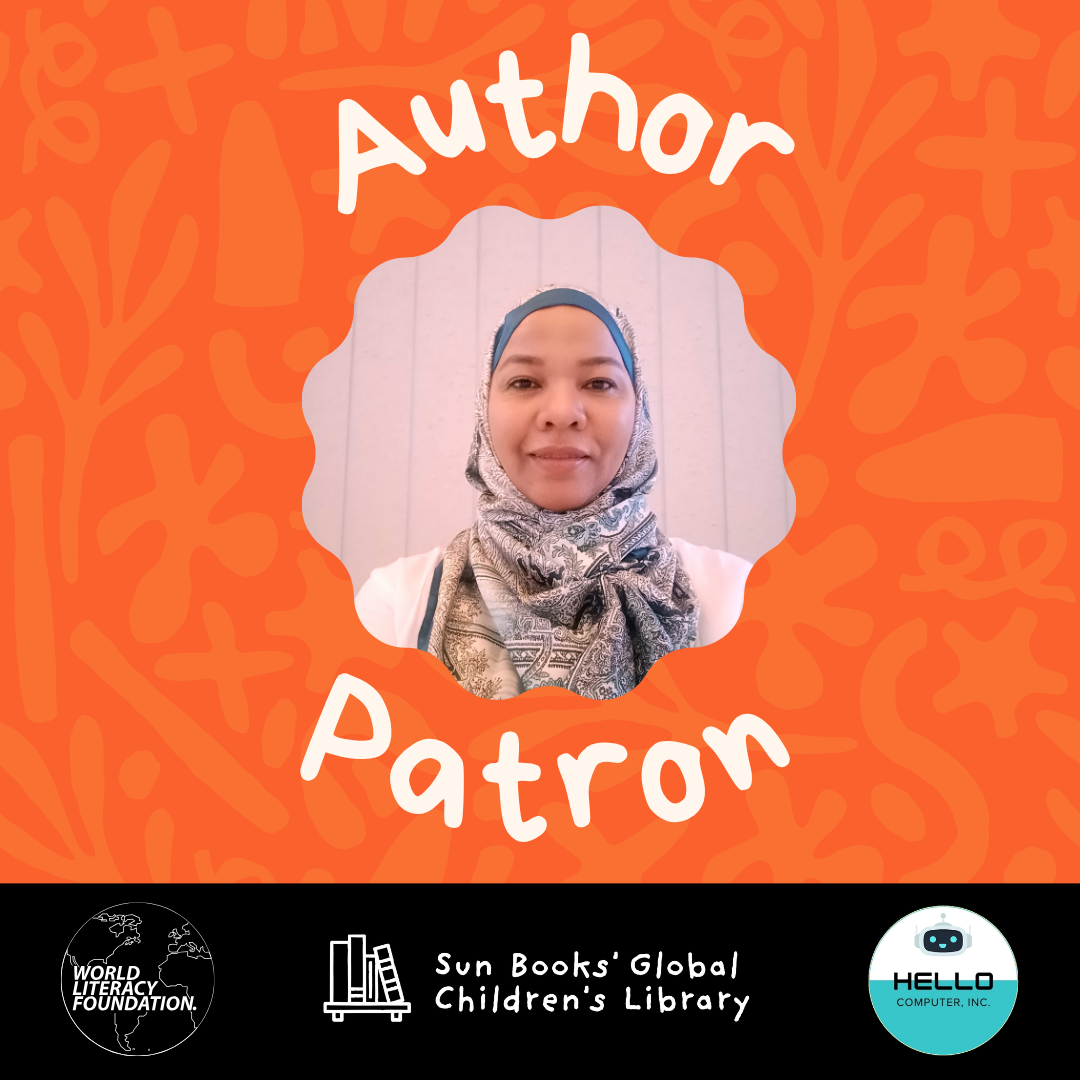
Born in Jordan to a Sudanese father and an Egyptian mother, Karam Hayef is an educator, humanitarian, world traveler, and children's book author whose work is deeply rooted in resilience, healing, and hope. Through years of working with vulnerable families, refugee communities, women, and children across different cultures and countries, she has dedicated her life to creating safe spaces where people feel seen, heard, and empowered.

Her children's book, Breathe, Salam, Breathe, was born from a deeply personal childhood experience where conversations about money, financial hardship, and survival often filled her with anxiety, yet there was little time, or emotional space for comfort or reassurance. Those early experiences shaped her understanding of how deeply children absorb the emotional realities around them.

Years later, through her work in education, trauma informed learning, psychosocial support, and community development, Karam began to understand that countless children carry similar invisible fears. Breathe, Salam, Breathe was written for those children - to help them feel safe, comforted, and understood, and to remind families of the importance of emotional connection during times of hardship.

Throughout her worldwide travels and humanitarian work, Karam has been continually inspired by the warmth, courage, and stories of the people she meets. Whether sitting with families rebuilding after displacement, mentoring girls and young women, or supporting educators and communities, she believes deeply in the power of compassion, storytelling, and human resilience to heal across generations.